Welcome to this blog, where we’ll unravel the mysteries of pneumonia in terms that you can understand. Pneumonia may sound like a complicated word, but it’s actually a common infection that can affect your lungs and make you feel really sick. It doesn’t discriminate based on age or health, so it’s important for you to know the basics to protect yourself and your loved ones. In this blog, we’ll explore what causes pneumonia, what symptoms to watch out for, and how it can be treated. Our goal is to empower you with knowledge so that you can recognize the signs and take action if you suspect you have pneumonia. Let’s explore pneumonia together and make it easier for you to understand and deal with.
What is pneumonia?
Pneumonia is an infection that affects the lungs, causing inflammation and impairing their normal function. When pneumonia occurs, harmful germs like bacteria, viruses, or fungi invade the lungs and cause inflammation. This inflammation affects the air sacs in the lungs, making it harder for them to function properly. Normally, air sacs help us breathe by filling up with air and exchanging oxygen with the blood. However, when pneumonia occurs, harmful germs invade these air sacs. The germs cause inflammation, which is like a defensive response from our body. Unfortunately, this inflammation makes the air sacs swollen and filled with fluid or pus. As a result, the air sacs can’t expand properly, making it difficult for oxygen to enter the bloodstream. This leads to symptoms such as shortness of breath, coughing, fever and chest discomfort. Pneumonia can range from mild to severe and may require medical treatment, especially for individuals with weakened immune systems or underlying health conditions. Early detection and prompt treatment are crucial to prevent complications and aid in a speedy recovery.
Symptoms of pneumonia:
- Cough: A persistent cough that may produce phlegm or mucus. The cough can be dry or accompanied by yellow, green, or bloody sputum.
- Difficulty Breathing: Feeling short of breath or experiencing rapid, shallow breathing. It may feel harder to catch your breath or you may feel breathless even with minimal activity.
- Chest Pain: Chest pain or discomfort, often worsened by coughing or deep breathing. It can feel sharp or aching and may be localized to one side of the chest.
- Fever: A high body temperature, typically above 100.4°F (38°C). You may experience chills, sweating, and an overall feeling of being unwell.
- Fatigue: Feeling extremely tired and lacking energy, even with minimal exertion. Pneumonia can leave you feeling weak and exhausted.
- Confusion (in older adults): Older adults with pneumonia may experience confusion or changes in mental awareness.
- Muscle Aches: Generalized body aches and muscle pain, similar to those experienced during a flu-like illness.
It’s important to note that symptoms can vary depending on the age, overall health, and the specific type of pneumonia. If you experience any of these symptoms, it’s advisable to seek medical attention for a proper diagnosis and appropriate treatment.
Diagnosis of Pneumonia:
When it comes to diagnosing pneumonia, healthcare professionals employ various methods to determine if an individual has this respiratory infection. Understanding the diagnostic process can help shed light on what to expect when seeking medical attention. Here are the key aspects of pneumonia diagnosis:
- Clinical Assessment:
The doctor will start by conducting a thorough clinical assessment, which includes reviewing your medical history and discussing your symptoms. Be prepared to provide details about your cough, difficulty breathing, chest pain, fever, and any other relevant symptoms.
- Physical Examination:
During the physical examination, the doctor will listen to your lungs using a stethoscope. They will pay attention to any abnormal lung sounds, such as crackles or diminished breath sounds, which can indicate pneumonia.
- Chest X-ray:
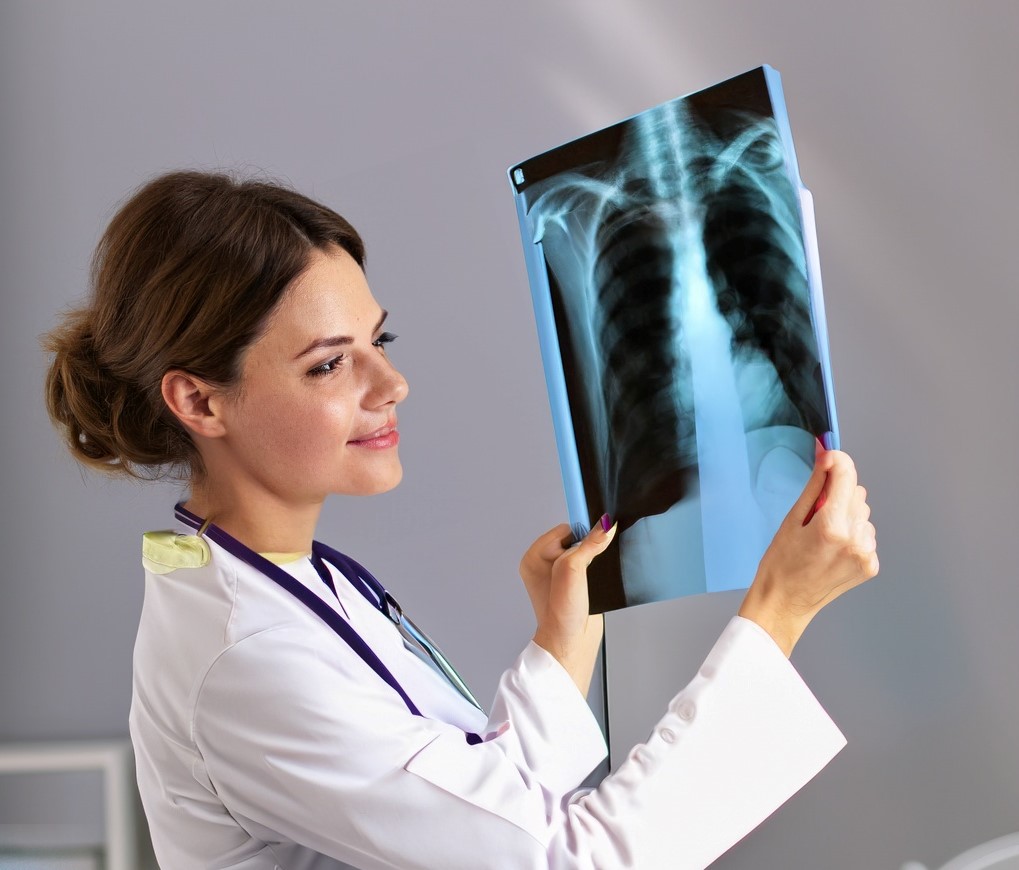
A chest X-ray is a common diagnostic tool for pneumonia. It helps visualize the condition of the lungs and identify areas of inflammation or infection. X-ray images can reveal the presence of infiltrates or consolidation, which are indicative of pneumonia.

- Blood Tests:
Blood tests play a crucial role in diagnosing pneumonia. They help evaluate the body’s immune response to infection. A complete blood count (CBC) can detect an increased number of white blood cells, indicating an active infection. Additionally, blood cultures may be taken to identify the specific microorganism causing the pneumonia.
- Sputum Culture:
If you have productive cough with sputum, a sample may be collected for a sputum culture. This test helps identify the specific bacteria or fungi causing the pneumonia, aiding in targeted treatment.
- Other Tests:
In some cases, additional tests may be necessary. These can include a computed tomography (CT) scan of the chest for a more detailed view of the lungs, pulse oximetry to measure oxygen levels in your blood, or a bronchoscopy to examine the airways and collect samples for further analysis.
It’s important to note that the specific diagnostic approach may vary depending on the individual’s symptoms, medical history, and the severity of the infection. Prompt and accurate diagnosis enables healthcare providers to develop an appropriate treatment plan tailored to the specific type and cause of pneumonia.
Treatment Options:
When it comes to treating pneumonia, timely intervention is crucial to minimize complications and promote a speedy recovery. The treatment approach may vary depending on the type and severity of pneumonia, as well as individual factors such as age and overall health. Here are the key treatment options commonly used:
- Antibiotics:
If bacterial pneumonia is diagnosed, antibiotics are typically prescribed. These medications are designed to target and kill the specific bacteria causing the infection. It’s important to take the prescribed antibiotics as directed and complete the full course of treatment to ensure the infection is completely eradicated.
- Antiviral Medications:
In cases of viral pneumonia, specific antiviral medications may be prescribed if available. However, for certain viral infections like the common cold or influenza, antiviral treatment may not always be necessary, and the focus will be on managing symptoms and supporting the body’s immune response.
3. Supportive Care:
In addition to specific medications, supportive care is essential for managing pneumonia. This includes getting plenty of rest, staying hydrated by drinking fluids, and using medication alleviate fever and discomfort.
4. Hospitalization:
In severe cases or when complications arise, hospitalization may be required. Hospital treatment may involve intravenous antibiotics, intravenous fluid, supplemental oxygen therapy, and close monitoring of vital signs and oxygen levels.
Pneumonia Complications:
Pneumonia can lead to various complications, including pleural effusion (fluid accumulation around the lungs), lung abscess (pus-filled cavity in the lung), empyema (pus accumulation around the lungs), respiratory failure (inadequate oxygen supply to the body), sepsis (life-threatening systemic infection), acute respiratory distress syndrome (severe lung condition), and the multi organ failures, highlighting the importance of early medical intervention and proper treatment.
How to Prevent Pneumonia:
Taking proactive steps to reduce the risk of pneumonia is essential for maintaining respiratory health. By incorporating simple preventive measures into your daily routine, you can significantly minimize the chances of contracting this respiratory infection. Here are key strategies for preventing pneumonia:
- Vaccination:
Ensure you are up to date with recommended vaccinations, including the pneumococcal vaccine and influenza (flu) vaccine. These vaccines help protect against the most common bacteria and viruses that cause pneumonia.
- Practice Good Hand Hygiene:
Wash your hands thoroughly with soap and water for at least 20 seconds, especially before eating, after using the restroom, or after being in public spaces. If soap and water are unavailable, use hand sanitizer
- Maintain a Healthy Lifestyle:
Prioritize a healthy lifestyle to support a strong immune system. Eat a balanced diet rich in fruits, vegetables, whole grains, and lean proteins. Get regular exercise, maintain a healthy weight, and ensure an adequate amount of sleep each night.
- Avoid Smoking and Secondhand Smoke:
Smoking damages the lungs and weakens the immune system, making individuals more susceptible to respiratory infections, including pneumonia. If you smoke, consider quitting, and avoid exposure to secondhand smoke.
- Practice Respiratory Hygiene:
Cover your mouth and nose with a tissue or your elbow when coughing or sneezing to prevent the spread of respiratory droplets. Dispose of used tissues properly and wash your hands afterward.
- Stay Clear of Sick Individuals:
Avoid close contact with individuals who have respiratory infections, such as the flu or common cold. If possible, maintain a safe distance from those exhibiting symptoms like coughing or sneezing.
Remember, prevention is key when it comes to pneumonia. By adopting these preventive measures into your lifestyle and promoting respiratory health, you can significantly lower the likelihood of developing this infection and enjoy a healthier life.
 Pulmonologist in Dubai